
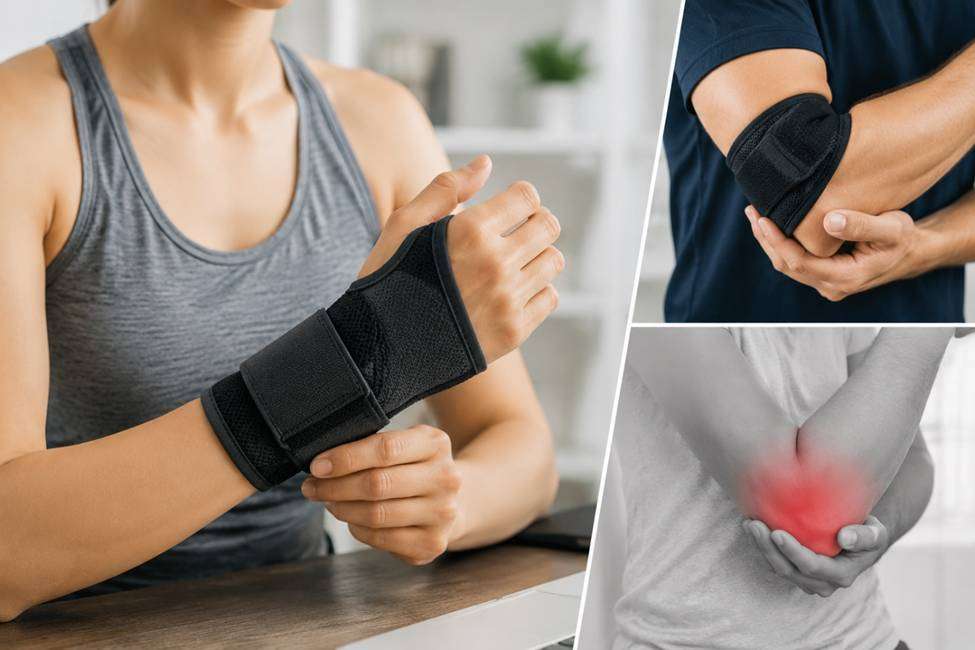
Joint injuries, especially to the wrist and elbow, are incredibly common in daily life, sports, and workplace activities. These small yet vital joints are under constant stress from repetitive motions like typing, lifting, or playing tennis. Knowing when to use support can make a significant difference in recovery, helping you regain mobility, reduce pain, and prevent re-injury. Whether your injury is minor or part of a post-surgery rehabilitation, timing and proper use are essential.
Understanding Joint Injuries
Common Causes of Wrist Injuries
Wrist injuries often occur due to falls, repetitive strain, or heavy lifting. Sprains and strains are the most common, affecting ligaments and tendons around the wrist joint. Carpal tunnel syndrome, caused by compression of the median nerve, is another frequent issue, especially in those who spend hours on computers or assembly-line work. Recognizing early signs like swelling, stiffness, and tingling is vital to preventing long-term damage.
Common Causes of Elbow Injuries
Elbow injuries often result from repetitive motions, sports, or sudden trauma. Conditions like tennis elbow or golfer’s elbow are classic overuse injuries, causing pain on the outside or inside of the elbow. Acute injuries, such as fractures or dislocations, also require immediate attention. Understanding the specific injury type helps determine whether support is necessary and what style or material to choose.
The Role of Overuse and Repetitive Strain
Both the wrist and elbow are highly susceptible to overuse injuries. Repetitive strain, even in seemingly low-impact tasks like typing or cooking, can gradually damage ligaments, tendons, and muscles. Without proper rest or support, these injuries can worsen, potentially leading to chronic pain or reduced function. Timely use of support becomes critical to limit motion, stabilize the joint, and allow healing.
Types of Support Devices
Wrist Support: Braces and Straps
Supports range from simple elastic straps to rigid braces. Elastic wraps provide mild compression, reducing swelling and offering light stabilization, while rigid braces limit joint motion more significantly, which is crucial for post-injury recovery. Some advanced models also have adjustable splints that allow controlled movement, facilitating rehabilitation exercises without overstraining the wrist.
Elbow Support: Sleeves and Cuffs
Elbow supports include sleeves, cuffs, and straps that target specific areas. Compression sleeves improve blood flow, reduce swelling, and provide warmth to promote healing. Straps placed around the forearm just below the elbow relieve tension on affected tendons, especially in conditions like tennis or golfer’s elbow. The choice depends on the injury’s severity, the need for stabilization, and the activities you plan to continue during recovery.
Knee and Ankle Support for Related Injuries
Though this guide focuses on the upper limbs, injuries to the wrist and elbow can sometimes coincide with knee support or ankle support needs, especially in athletes. Using multiple supports helps maintain overall body stability, reduces compensatory strain, and ensures a coordinated rehabilitation process.
When to Use Wrist Support
Sprained or strained wrists benefit from immediate support, as wearing a brace limits motion and reduces the risk of aggravating ligaments or tendons while allowing the natural healing process to begin. Once swelling subsides, controlled movement becomes essential for regaining strength, and adjustable supports let you perform rehabilitation exercises safely without overextending the joint. Even after recovery, ongoing use during high-stress activities like weightlifting, tennis, or heavy manual labor prevents re-injury, provides stability and peace of mind, and helps maintain proper wrist mechanics and long-term joint health.
When to Use Elbow Support
Elbow support is especially beneficial for repetitive strain injuries like tennis or golfer’s elbow, as correctly positioned straps reduce tendon stress, relieve pain during activity, and promote faster recovery. Using support during sports, work, or home tasks prevents flare-ups while allowing healing without full immobilization. After an acute injury, a sleeve or brace helps manage swelling and discomfort, restricting harmful motions but maintaining slight flexibility to aid tendon and ligament recovery. Wearing support during daily tasks prevents overextension, reduces pain, and lowers the risk of re-injury.
Selecting the Right Support
Fit and Comfort Considerations
A support device must fit snugly without cutting off circulation. Poorly fitting braces can worsen injuries, causing swelling or restricting blood flow. Choosing the correct size and adjustable features ensures comfort during prolonged use.
Material and Breathability
Supports made of breathable fabrics or mesh prevent skin irritation and sweating, crucial for daily wear. Materials like neoprene offer warmth and compression, promoting circulation and healing, while lighter fabrics enhance comfort during mild support needs.
Adjustable vs Fixed Support
Adjustable supports offer customizable compression and flexibility, making them ideal for rehabilitation and gradual strength rebuilding. Fixed supports provide rigid stabilization, suitable for acute injuries where motion restriction is necessary. Understanding your injury stage helps in selecting the proper type.
Using Support with Chiropractic Treatments
How Supports Complement a Chiropractic Table
During chiropractic table adjustments, support can protect vulnerable joints. Braces help maintain correct posture, prevent compensatory strain, and stabilize the joint during manipulations, enhancing treatment effectiveness and safety.
Integration with Manual Therapy
Supports allow therapists to apply manual therapy techniques safely. By stabilizing joints, supports reduce discomfort, ensure correct alignment, and maximize the benefits of soft tissue work, joint mobilization, and guided exercises.
Guidelines for Duration and Frequency
Use should be balanced with mobility exercises. Wearing supports too long can lead to stiffness, while insufficient use may prolong healing. Following a schedule recommended by a healthcare professional ensures optimal recovery.
Benefits of Using Joint Supports
Pain Reduction and Stability: Supports limiting harmful motion, reducing strain on injured tissues, compressing swollen areas, and preventing secondary injuries.
Improved Healing and Mobility: Maintaining alignment and minimizing strain allows tendons and ligaments to heal, while controlled mobility restores flexibility and strength safely.
Psychological Confidence: Stabilized joints reduce fear of re-injury, enabling daily activities, exercises, and sports with greater confidence, supporting overall recovery.
Mistakes to Avoid
Supports aid healing but should not replace active rehabilitation, as over-reliance can weaken surrounding muscles and delay recovery. Using the wrong size or type may worsen pain or restrict circulation, so always choose the correct support for your injury and activity level. Ignoring professional advice is risky; consulting a physiotherapist or orthopedic specialist ensures proper use and prevents masking underlying issues while allowing safe recovery.
Additional Tips for Recovery
Combining Support with Stretching
Stretching muscles and tendons surrounding the injured joint enhances flexibility and blood flow, complementing support devices for faster recovery. Gentle range-of-motion exercises prevent stiffness.
Anti-Inflammatory Practices
Ice, heat, and anti-inflammatory medications, when recommended by professionals, can reduce swelling and accelerate healing. Support devices enhance these effects by maintaining proper joint alignment.
Progressive Strengthening Exercises
Gradually reintroducing strength training while wearing support ensures that muscles, tendons, and ligaments adapt without risking new injuries. Supports provide the safety net needed for incremental recovery.
Conclusion
Using support strategically is a cornerstone of effective injury recovery. Properly selected and timed, supports reduce pain, stabilize joints, and enhance the healing process. Combined with professional guidance, chiropractic table sessions, and active rehabilitation, supports can make the difference between slow recovery and full functional restoration. Remember, prevention is as important as recovery: choosing the right support during sports, work, or repetitive activities ensures long-term joint health.
FAQs
Can support replace physical therapy?
No. While braces stabilize joints, physical therapy addresses muscle strength, flexibility, and long-term recovery strategies that support what braces alone cannot provide.
How long should I wear the support daily?
Typically, braces are worn during activity or as advised by a professional. Overuse can lead to stiffness, so follow your rehabilitation plan carefully.
Are supports effective for chronic pain?
Yes, supports reduce strain on joints and tendons, which can alleviate chronic discomfort. However, underlying causes should be evaluated by a healthcare professional.
Can I sleep with support on?
Only if recommended by your doctor. Some allow for nighttime wear to reduce pain or prevent movement, but improper use can cause circulation issues.
Do supports interfere with chiropractic table adjustments?
When properly fitted, supports complement chiropractic treatments by stabilizing joints. Always inform your chiropractor so adjustments are tailored safely.
0 Comments