
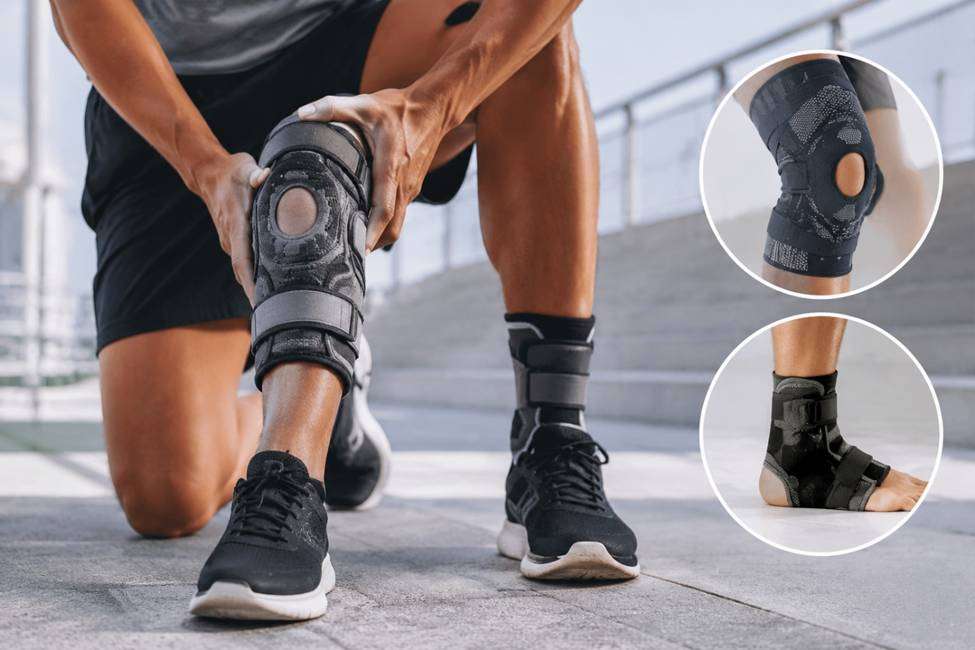
Keeping your joints safe and stable is more than a precaution; it’s an investment in your mobility, confidence, and overall quality of life. Whether you’re a weekend warrior, professional athlete, or recovering from an injury, knee support and ankle support play a crucial role in preventing injuries, aiding recovery, and enhancing performance. Elbow support is also important for those engaging in repetitive arm movements or weightlifting. Stability isn’t just about feeling secure; it ensures your muscles, ligaments, and bones function in harmony without extra strain. This guide explores the types of supports available, their benefits, and how to choose the right one for reliable, long-lasting stability, so you can move freely and confidently.
Understanding Joint Stability
Anatomy of the Knee and Ankle
Your knees and ankles are marvels of engineering, designed to handle dynamic motion while providing support and shock absorption. The knee joint is stabilized primarily by ligaments like the ACL (Anterior Cruciate Ligament), PCL (Posterior Cruciate Ligament), MCL (Medial Collateral Ligament), and LCL (Lateral Collateral Ligament), while muscles surrounding it, including the quadriceps and hamstrings, provide secondary stability. Meanwhile, the ankle relies on lateral and medial ligaments, along with tendon structures, to maintain balance and prevent unwanted rolling or twisting. When these structures are compromised, instability becomes a risk, making proper support essential.
Common Causes of Instability
Ligament Injuries
Ligament tears or sprains are among the most frequent causes of instability in both knees and ankles. Even minor sprains can create a sense of “giving out” that limits everyday activities.
Muscle Weakness
Weak muscles around the joint fail to offer the necessary support, putting more stress on ligaments and tendons. Strengthening exercises are critical, but combining them with proper joint supports ensures immediate stability.
Overuse and Wear
Repetitive movements, sports, or even prolonged standing can gradually wear down joint structures, causing microtears, inflammation, or cartilage degeneration. In such cases, supports act as a temporary safety net while you address the root causes.
Types of Knee Supports
Knee Sleeves
Knee sleeves are made of compressive neoprene or elastic materials. They provide moderate support, enhance blood flow, and reduce swelling. They are ideal for minor sprains, post-workout recovery, or general joint protection during low to moderate activity levels.
Hinged Knee Braces
For more severe instability, hinged knee braces offer robust mechanical support. They prevent lateral movement and protect against ACL or MCL injuries. These braces are commonly recommended post-surgery or during high-impact sports. Unlike sleeves, they feature metal or polymer hinges on either side, providing maximum stability for demanding activities.
Patellar Straps
Patellar straps target the tendon just below the kneecap. They are particularly effective for conditions like patellar tendonitis or runner’s knee. While not as supportive as sleeves or hinged braces, they reduce pain by applying pressure to specific areas and stabilizing the kneecap during movement.
Best Use Cases for Each Type
- Sleeves: Everyday wear, mild discomfort, light workouts
- Hinged Braces: Post-surgery, severe instability, high-impact sports
- Patellar Straps: Tendonitis, minor kneecap misalignment, running, or cycling
Types of Ankle Supports
Ankle Sleeves
Similar to knee sleeves, ankle sleeves compress the joint, increase proprioception, and offer mild stabilization. They’re perfect for those recovering from minor sprains or looking for preventative support during low-impact activities.
Lace-Up Braces
Lace-up ankle braces mimic taping techniques and provide adjustable support. They restrict lateral motion while allowing controlled flexion and extension. These braces are versatile for athletes who require moderate stability without losing mobility.
Rigid Ankle Braces
For severe injuries, rigid ankle braces offer the highest level of support. Made with solid plastics or composites, they prevent rolling or twisting entirely, making them ideal post-fracture or after ligament reconstruction.
Best Use Cases for Each Type
- Sleeves: Minor sprains, daily activities, warm-ups
- Lace-Up: Sports like basketball, soccer, or tennis
- Rigid Braces: Severe sprains, post-operative support, high-risk activities
How to Choose the Right Support
Consider Activity Level
Your activity type and intensity dictate the level of support required. High-impact sports demand braces that offer maximum stability, while low-impact or everyday use may only require a sleeve.
Consider Injury History
Previous injuries to knees, ankles, or elbows increase susceptibility to instability. In these cases, opting for a more structured brace, even for preventive measures, can save you from future setbacks.
Fit and Comfort
A support is only effective if it fits properly. Too loose, and it won’t stabilize; too tight, and it may restrict circulation. Adjustable straps or custom-fit options enhance comfort without compromising support.
Material and Breathability
Neoprene and elastic blends provide compression and flexibility, while high-end braces often include moisture-wicking fabric to keep the skin dry and comfortable during prolonged use.
Adjustability Features
Velcro straps, laces, or hinges allow users to customize the tension and movement restriction. These features are critical for ensuring the support adapts to your unique joint shape and activity requirements.
Maintenance and Longevity of Supports
Cleaning and Care
Most braces and sleeves are machine-washable or hand-washable. Keeping them clean prevents odor, bacterial buildup, and material deterioration.
When to Replace
Signs that a support needs replacement include stretched elastic, worn-out hinges, or compromised straps. Regular inspection ensures continued effectiveness.
Tips for Extending the Life of Supports
- Avoid excessive heat when drying.
- Store in a cool, dry place
- Follow manufacturer care instructions meticulously.
Conclusion
Choosing the right knee and ankle supports depends on your activity, injury history, and desired level of stability. Sleeves provide everyday comfort and mild compression, hinged and rigid braces deliver high-level protection for severe instability, and patellar or lace-up straps address specific joint issues. By selecting the appropriate support, you not only enhance joint stability but also gain confidence in every step, jump, or lift.
FAQs
- Are knee sleeves enough for sports?
Knee sleeves provide mild support and compression, ideal for low-impact activities. For high-intensity sports or previous injuries, hinged knee braces are recommended.
- How long should I wear an ankle brace?
Wear duration varies by injury severity. Minor sprains may require braces for a few weeks, while post-surgery support could last several months, as advised by a healthcare professional.
- Can elbow supports prevent tennis elbow?
Yes, compression straps and sleeves reduce strain on the tendon and help prevent overuse injuries like tennis elbow.
- Which material is best for comfort and stability?
Neoprene blends offer both comfort and support, with breathable fabrics preferred for prolonged wear.
- Are these supports suitable for daily use?
Yes, sleeves and light braces are designed for everyday use, but rigid or hinged supports should be used as needed to avoid over-restriction of joint movement.
0 Comments